
How to Measure the Effectiveness of Influencer Advertising

Track reach, engagement, CTR, and sales. Example: 20,000 views, 1,000 clicks → CTR = 5%. Compare results with your campaign goals.
Influencer marketing has become one of the key tools in digital marketing. According to Business Insider, the influencer marketing market exceeded $21 billion in 2024 and continues to grow. But with bigger budgets comes the crucial question: how to measure if influencer ads really work?
At first glance, it seems simple: the blogger posts — people see it. But that’s just the tip of the iceberg. For real results (sales, subscriptions, or awareness), you need to measure KPI (Key Performance Indicators).
Main metrics:
-
📊 Reach
-
💬 Engagement
-
🔗 CTR (Click-Through Rate)
-
🛒 Sales and ROI
Also:
-
how to correctly read blogger statistics;
-
common mistakes brands make;
-
what to check when choosing an influencer.
1. Reach: how many people saw the ad
Reach = number of unique users who saw the ad.
Why it matters:
-
A large reach means wide exposure.
-
But reach alone doesn’t guarantee clicks or sales.
Example:
-
Followers: 100,000
-
Actual reach: 30,000 → only 30% of the audience.
Check in reports:
-
Compare ad reach vs organic reach.
-
Ask for screenshots.
-
If reach <5–10% with huge followers = likely fake.

2. Engagement: audience interaction
Engagement = likes, comments, saves, shares.
Formula:

Example:
-
800 likes + 200 comments + 100 saves
-
Reach: 20,000
-
ER = (1,100 ÷ 20,000) × 100 = 5.5%
Check in reports:
-
Average ER vs sponsored ER.
-
Ratio of comments to likes.
3. CTR: link clicks
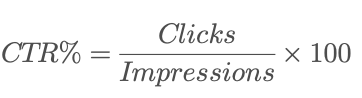
CTR = percentage of users who clicked a link.
Formula:
Example:
-
Impressions: 20,000
-
Clicks: 1,000 → CTR = 5%
Check in reports:
-
Compare CTR among influencers.
-
Depends on format (stories > posts).
-
CTR <1% = weak creative.
4. Sales: the ultimate KPI
Trackable via:
-
promo codes,
-
UTM tags,
-
affiliate links.
Example:
-
Promo code STAR10 = 50 sales × $25 (500 MDL) = $1,250.
-
Campaign cost: $500 (10,000 MDL).
-
ROI = (1,250 ÷ 500) × 100 = 250%.
5. Other factors
-
Audience quality — location, age, gender, inactive accounts.
-
Format — posts last longer, stories are temporary, Reels usually get higher reach.
-
Frequency — too much advertising reduces trust.
6. Common mistakes brands make
-
Judge by follower count only.
-
Don’t request reports.
-
Compare “by eye” instead of calculating KPIs.
-
Don’t set clear goals.

7. How to read a blogger’s report
Usually includes: reach, impressions, clicks, link activity.
-
Compare with non-sponsored posts.
-
Check comments and reactions.
-
Match results to campaign goals.
Conclusion:
The effectiveness of influencer ads can be measured through KPIs:
- 📊 reach,
- 💬 engagement,
- 🔗 CTR,
- 🛒 sales.
Don’t blindly trust numbers — always compare with your business goals and common sense.